We’re still looking for that spiritual connection. This is where we follow the questions, share what we learn, and find others looking up at the same sky.
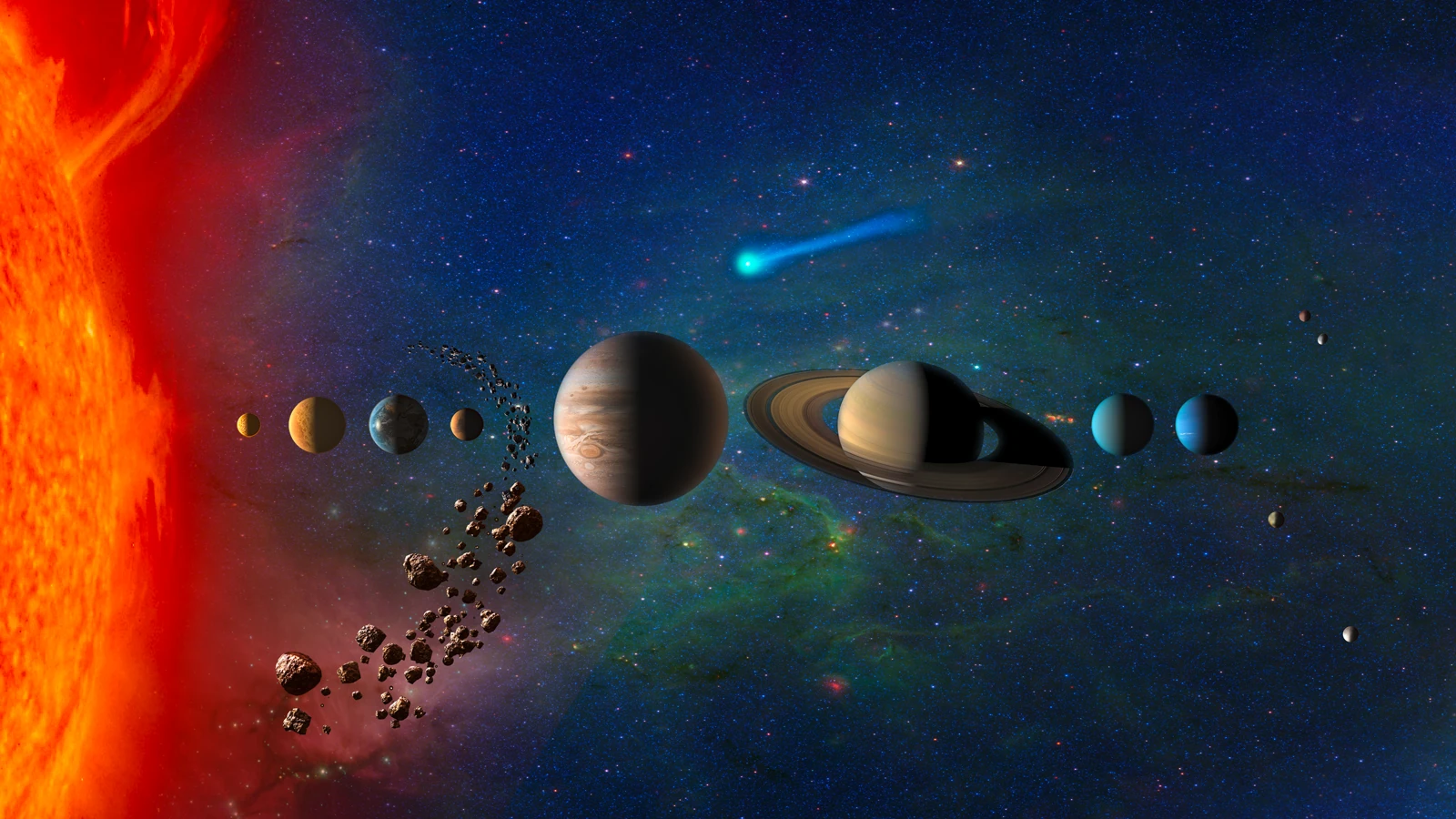
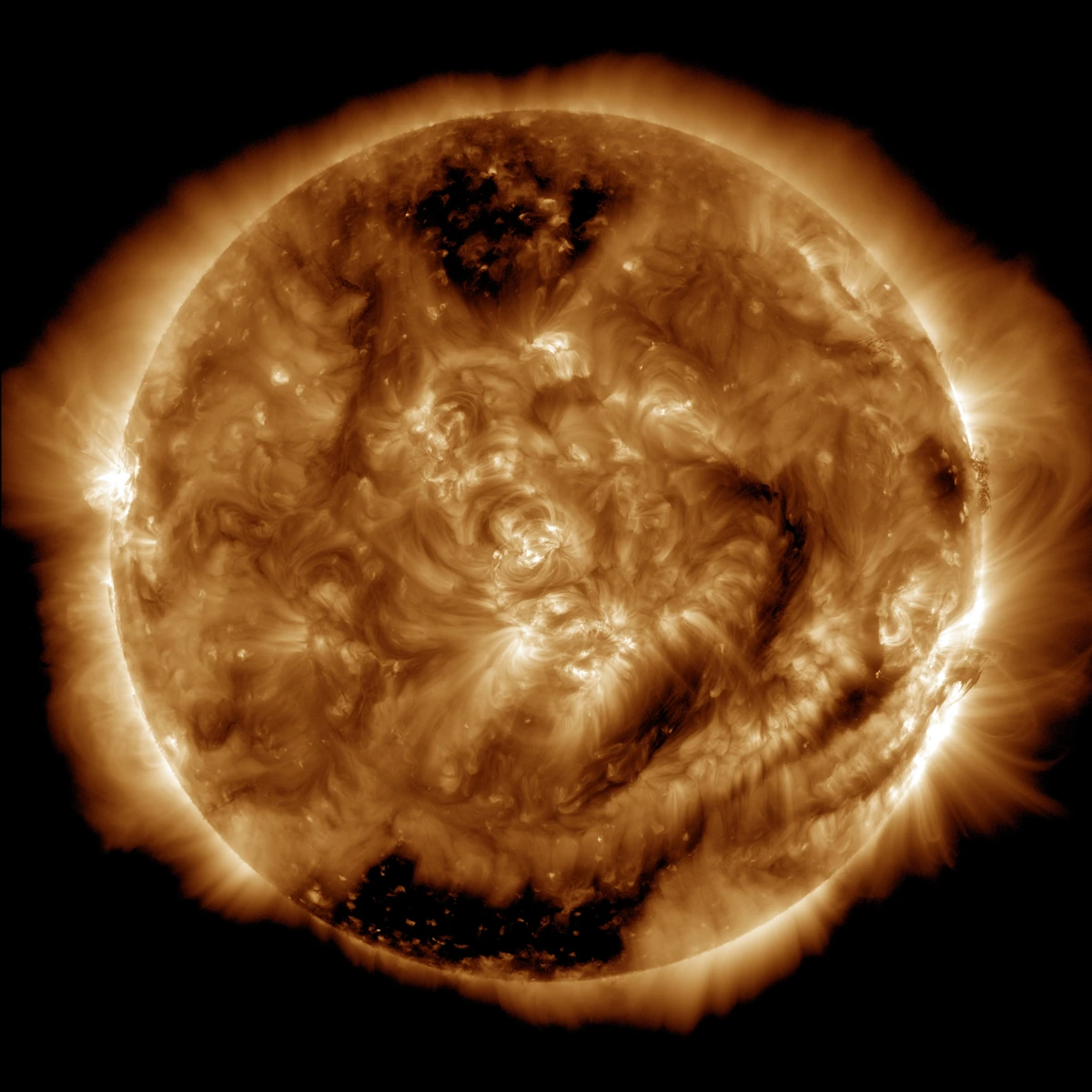
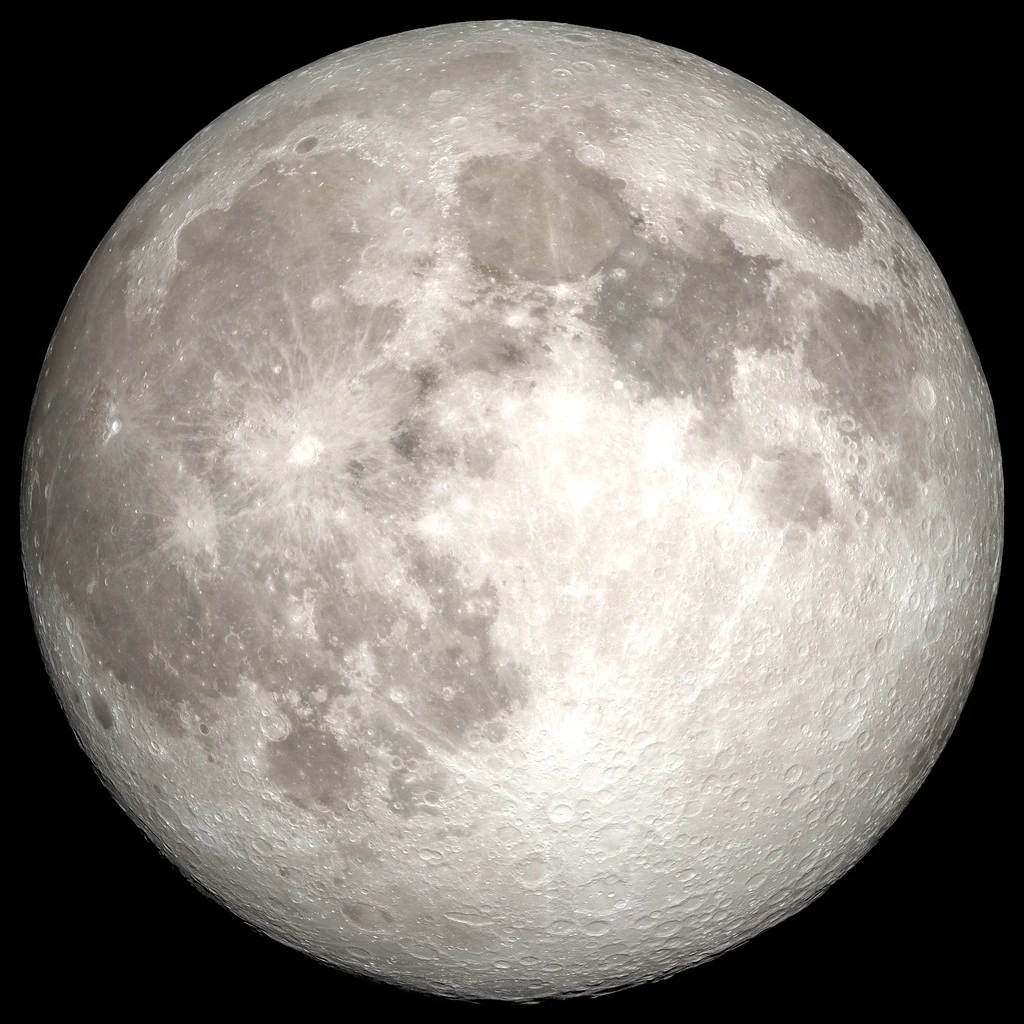
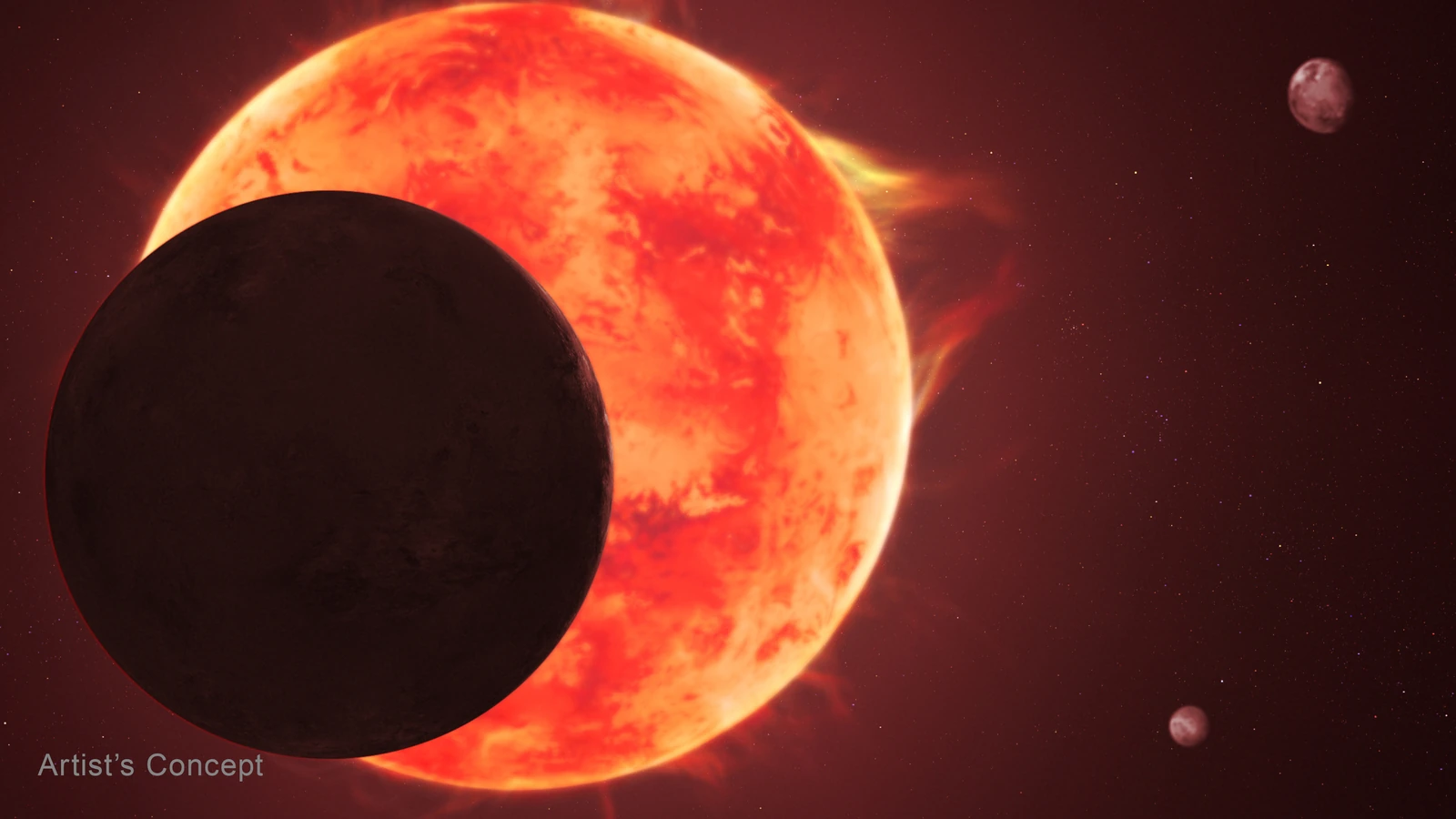
Visit our Sun and Moon, travel through our solar system, and look toward a family of worlds around another star.
OUR COSMIC NEIGHBORHOOD
One star. Eight planets. Our home.
Mercury, Venus, Earth, Mars, Jupiter, Saturn, Uranus, and Neptune orbit our Sun. Beyond them are dwarf planets and smaller icy worlds. This illustration brings the family together; sizes and distances are not shown to scale.
About 238,855 miles away on average, the Moon is close enough to feel familiar and far enough to remind us how much space surrounds us. Its changing phases come from our changing view of its sunlit half.
Seven roughly Earth-sized planets orbit this small, cool star. Worlds e, f, and g lie in its habitable zone, where surface liquid water could be possible with the right conditions. That makes them compelling places to investigate.
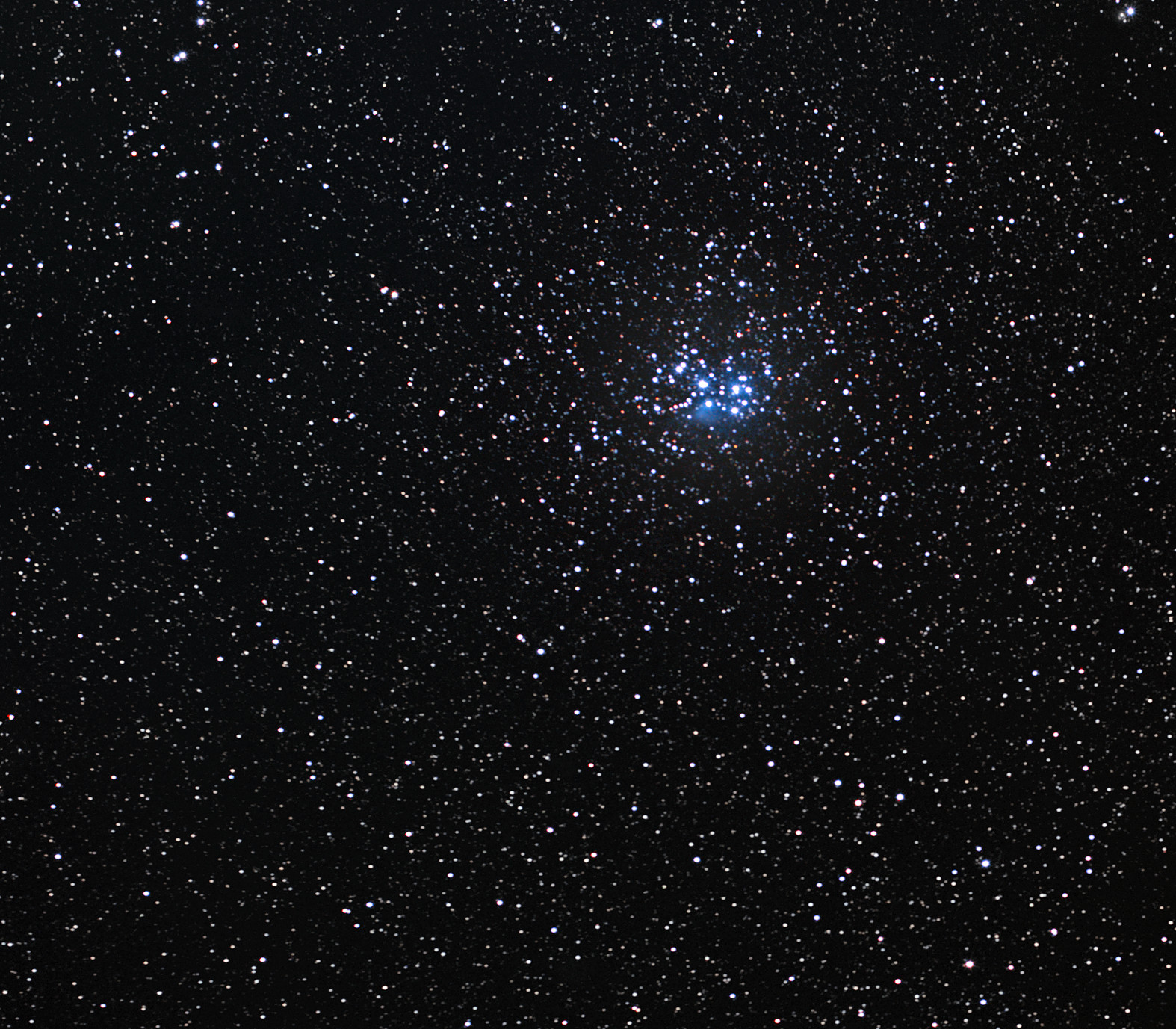
The name has been used for different astronomical photographs. Here is the Pleiades star cluster, one part of the morning lineup sometimes given that name. The full lineup includes planets too; the Red Rectangle is a different object.
The Pleiades · the star-cluster part of the lineup
The blue gathering near the center is the Pleiades. This photograph shows the cluster itself, not the complete Pleiades–Jupiter–Venus–Aldebaran alignment. A camera records more faint stars and color than your eyes normally see.
Yuri Beletsky photographed the Pleiades star cluster, Jupiter, Venus, and Aldebaran above Chile’s Atacama Desert. NASA featured the photograph on July 11, 2012; Space.com later called it “Stairway to Heaven.”
In simple termsThey appear lined up from our viewpoint, like distant streetlights along a road. They are at very different distances. The Pleiades is a star cluster; Jupiter and Venus are planets; Aldebaran is a star. This particular arrangement changes as the planets move.
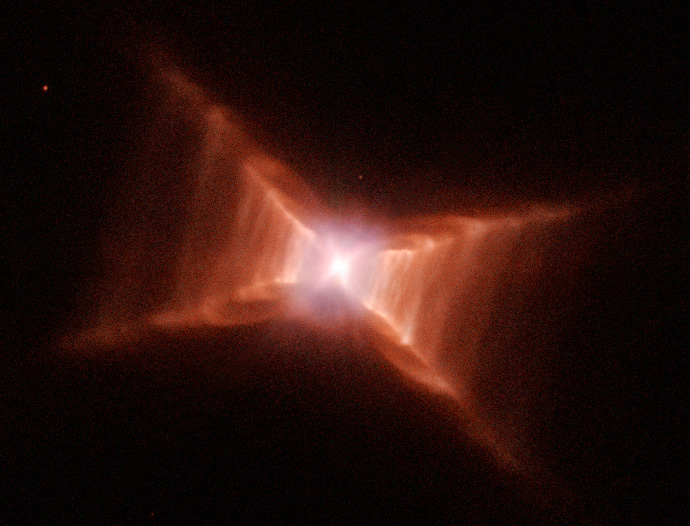
A different “Stairway to Heaven”: the Red Rectangle nebula
A DIFFERENT SUBJECT · HUBBLE OBSERVATION
The Red Rectangle
The Red Rectangle is a nebula—a cloud of gas and dust—around a central pair of stars. Its repeating, ladder-like rungs inspired NASA/ESA’s “Stairway to Heaven” description.
Why this looks different: this detailed telescope image shows gas and dust around HD 44179. It does not show the stars and planets in the Earth-view photograph linked above. It is also not the view you would see simply looking up with your eyes.
I’ve met kind people in religious settings, and I’m still searching for a spiritual connection I can feel. I want to understand more: nature, the Earth we share, the universe beyond it, and whether other life is out there.
Astralis Nova is where I’m bringing that search together. Music, memories, and life on Earth are already part of this little universe. Now there’s a place for the research, the reflections, and the things that change how we see it.
There must be others wondering about the same things. If that sounds like you, you’re welcome here. Bring your curiosity, your experience, and your questions.
From particles inside atoms to the cells in our bodies and dust between stars: a starting map of the universe’s ingredients. These are different levels of structure, not interchangeable names for the same thing.
Particles & atoms
FOUNDATIONAL PARTICLES
Quarks & gluons
Protons and neutrons contain smaller particles called quarks. Gluons carry the force that holds those quarks together.
A simple exampleThe atoms in a grain of sand have nuclei. Inside their protons and neutrons are quarks—another level of structure below the atom.
Go a little deeper
Six types of quarks are known. The “color charge” used to describe their interaction is a physics label, not a visible color.
Neutrinos are tiny particles that rarely interact with ordinary matter. They have no electric charge.
A simple exampleHuge numbers of neutrinos made inside the Sun pass through your body every second. You do not feel them because almost none interact with you.
Go a little deeper
Neutrinos belong to the lepton family, which also includes electrons, muons, and taus. Their masses are very small.
Neurons are nerve cells that pass messages around the nervous system. They use electrical changes and chemical messengers.
A simple exampleTouch a hot pan and nerve signals help your hand pull away quickly. Your nervous system also carries information that lets you feel the heat.
Go a little deeper
Ions crossing cell membranes help create electrical signals. At many junctions between neurons, chemicals called neurotransmitters carry the message.
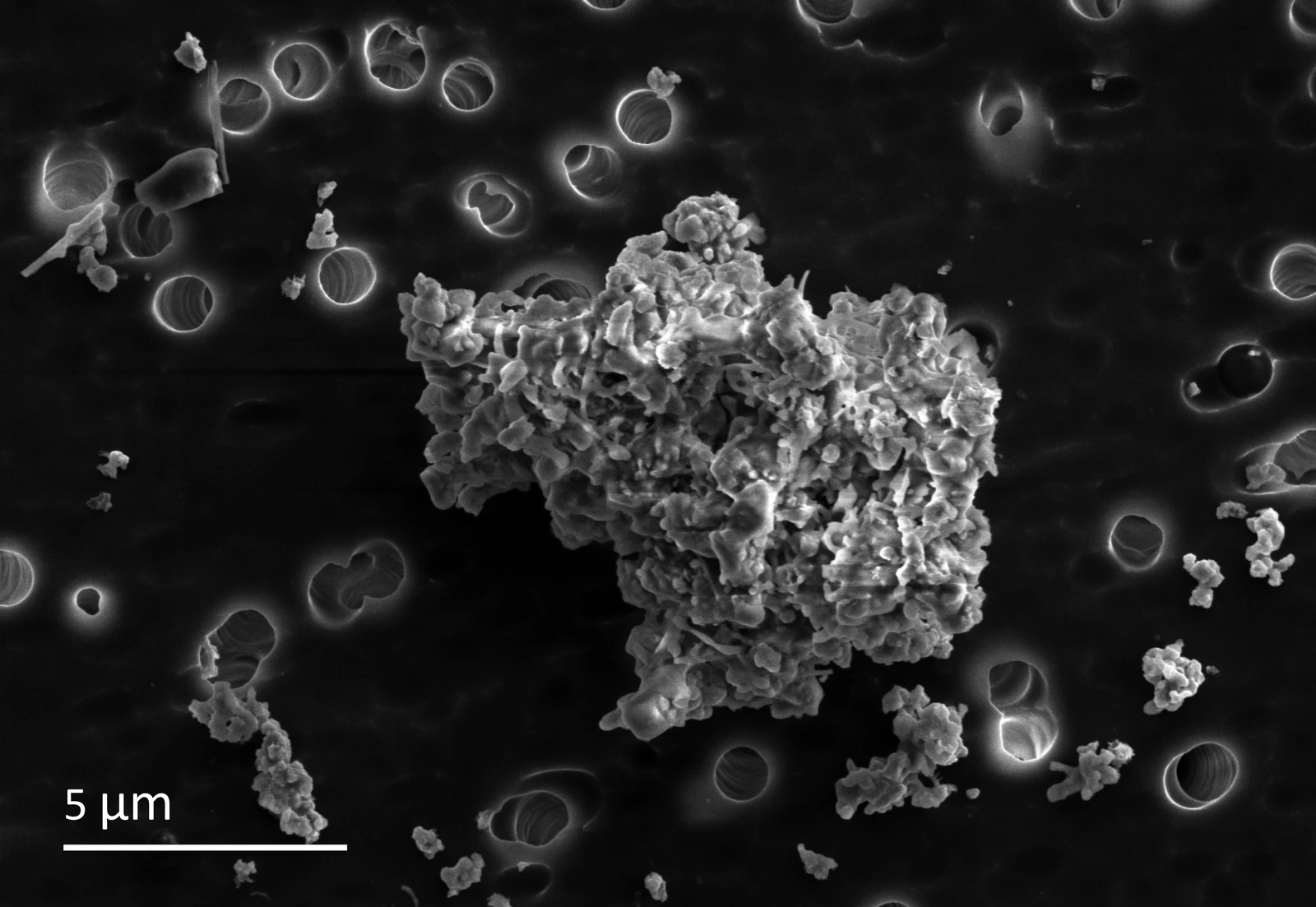
Cosmic dust is made of tiny solid grains floating through space. It can block or scatter light and help supply material for planets.
A simple exampleThink of very fine particles mixed into a vast cloud of gas. Over time, some grains can collect into larger pieces during planet formation.
Go a little deeper
A micron is a measurement, not a substance: one millionth of a metre. Dust grains vary in size and composition.
The four fundamental interactions are gravity, electromagnetism, the strong interaction, and the weak interaction. This is an introduction, not an exhaustive particle catalog. Explore the full Standard Model · CERN
FROM ATOMS TO OUR UNIVERSE
The elements of our universe
118 elements · endless curiosity
Atoms are real. An element’s identity is defined by the number of protons in its atoms. The periodic table organizes the 118 recognized elements by atomic number and recurring chemical properties. Explore the ingredients of stars, planets, and living things.
Try carbon, number 6. The number means every carbon atom has 6 protons. A neutral carbon atom also has 6 electrons. “C” is its short symbol.
Group means a vertical column; period means a horizontal row. Isotopes are versions of an element with different neutron counts.
What this chart tells us
Atomic numbers, names, and symbols are established scientific information. Colors here identify families; they are not the colors of individual atoms. Family classifications can differ slightly between charts. The two detached rows belong to periods 6 and 7.
A neutral atom has as many electrons as protons. Isotopes of the same element have different numbers of neutrons. Atomic pictures show models or measurements at a particular scale; electrons do not travel around the nucleus like tiny planets.
There are no missing atomic numbers in our chart. It contains all 118 recognized elements. The next frontier is making and identifying heavier nuclei—and finding out how long they can survive.
119?
SEARCH TARGET · NOT CONFIRMED
Element 119
The number tells the storyAn atom with 118 protons is oganesson. A confirmed atom with 119 protons would be a different element.
Scientists at RIKEN are pursuing an atom with 119 protons. A new row of the periodic table would begin here if its discovery is confirmed. Predicted properties are not measurements.
The experiment, simplyTitanium has 22 protons and californium has 98. Together that is 120—but their nuclei must actually fuse and the result must be detected.
Berkeley Lab’s approach uses titanium nuclei and a californium target to try to create a nucleus with 120 protons. Making known element 116 with a titanium beam was a step toward this goal.
Nuclear theory predicts that some superheavy nuclei may survive longer than their neighbors because of their proton and neutron arrangements. “More stable” does not necessarily mean permanent, common in nature, or useful as a material. Which nuclei exist, and their actual lifetimes, require experiments.
Status checked September 3, 2026. Discovery claims require scientific review before official recognition and naming. IUPAC · How new elements are recognized
Radio waves, visible light, and gamma rays are all electromagnetic radiation. Shorter wavelengths mean higher frequencies and more energy per photon—not faster travel in a vacuum.
START WITH SOMETHING WE EXPERIENCE EVERY DAY
A little sunlight, a very long journey
1 · Leaves the SunLight escapes from the Sun’s visible surface.
2 · Crosses spaceIt takes about 8 minutes 20 seconds to reach Earth at our average distance.
3 · Meets our atmosphereSome radiation is absorbed, reflected, or scattered. Some reaches the ground.
4 · Does something hereVisible light helps us see. Absorbed sunlight warms surfaces. Plants use light to make sugars.
The travel time starts at the Sun’s surface; energy takes much longer to work its way out from the core.
Longer wavelengthHigher frequency & photon energy →
10 km10 m1 cm10 µm10 nm10 pm0.01 pm
SELECTED BAND
Visible light
Wavelength · λ
Frequency · f
Energy per photon · E
Wavelength: the distance between repeating wave peaks—like the spacing between ripples.
Frequency: how many waves pass in one second. More waves per second means higher frequency.
Photon energy: how much energy one packet of light carries. More energetic photons do not travel faster through a vacuum.
Examples describe the whole band; the buttons select one representative wavelength. The slider explores between them. Colors outside visible light are labels, not colors our eyes can see. A nanometre (nm) is a billionth of a metre. Hz means waves per second; eV is a small unit of energy. All these waves travel at the same speed in a vacuum.
Read the full spectrum chart
Approximate wavelength ranges, from longest to shortest
Band
Vacuum wavelength
Where we encounter it
Radio
Longer than 1 m
A radio station sends a changing radio wave. Your car’s antenna receives it, and the radio turns the information into music from its speakers.
Microwaves
1 m to 1 mm
Your phone and Wi-Fi router can exchange data using microwaves. A microwave oven uses waves in this band to transfer energy into food.
Infrared
1 mm to 700 nm
A warm mug gives off infrared radiation. A thermal camera detects it and turns those measurements into colors on a screen.
Visible light
700 to 400 nm
Sunlight reflects off a flower and enters your eyes. That reflected visible light lets you see its color and shape.
Ultraviolet
400 to 10 nm
A blacklight gives off ultraviolet radiation. Some materials absorb it and emit visible light, so they appear to glow.
X-rays
10 to 0.01 nm
In an X-ray image, different materials absorb different amounts of the beam. A detector uses that difference to reveal structures inside an object.
Gamma rays
Shorter than 0.01 nm
Some radioactive nuclei emit gamma rays. In space, gamma-ray telescopes also detect extremely energetic events, such as bursts associated with collapsing stars.
Band boundaries are conventions. Microwaves are part of the broader radio spectrum; X-rays and gamma rays can overlap in energy and may be distinguished by how they are produced. Visible limits vary with the observer. nm = nanometre; µm = micrometre; pm = picometre. NASA · Explore electromagnetic radiation
What does a signal travel through?
RADIO & LIGHT
Across a vacuum—or through some materials
A simple exampleSunlight crosses mostly empty space before reaching Earth. No air-filled tube is needed between the Sun and us.
Changing electric and magnetic fields can propagate through empty space. Matter can absorb, scatter, reflect, or transmit radiation, depending on its properties and the wavelength. A spacecraft can send information encoded in radio waves.
A simple exampleClap your hands: vibrations move through the air to someone’s ears. Without matter between you, the clap cannot carry ordinary sound.
Sound is a mechanical disturbance in a gas, liquid, or solid. It cannot cross a perfect vacuum. A radio can receive a signal from space and turn it into sound by vibrating a speaker and the air around you.
A simple exampleWhen you decide to move a finger, nerve signals help tell the muscles to contract.
Ions crossing a neuron’s membrane help a voltage change travel along it. At many synapses, neurotransmitter molecules carry a chemical message to the next cell. These are biological processes, distinct from a radio transmission.
Signals can be natural or engineered. Detecting a cosmic signal alone does not establish that another civilization sent it.
THE QUESTIONS THAT BROUGHT US HERE
Life, awareness & connection
Facts can guide the search. Personal experiences tell us what matters to us. Here are questions to bring into the conversation, with room for both careful research and reflection.
A QUESTION FOR RESEARCH
How did life begin?
How could chemistry develop into systems that sustain themselves and evolve? What evidence would distinguish competing explanations?
How do the brain’s physical processes relate to awareness, memory, and a sense of self? What can an experiment measure—and what remains a philosophical question?
When do nature, faith, relationships, music, or helping others make you feel connected? What changed your perspective? Experiences are welcome without needing everyone to share the same interpretation.
Follow an idea from the finding to its source. Research can help us understand experiences and the natural world. The meaning we draw from them is something we explore together.
Pew Research Center’s 2023–24 U.S. Religious Landscape Study, published in 2025, found that 61% of adults reported awe at nature’s beauty at least weekly. Both religious and religiously unaffiliated people reported wonder about the universe.
What we take from it: Wanting a connection to something larger is a question many people recognize.
Limits & a question to carry forward
These are people’s self-reported experiences, not a test of a spiritual explanation. Similar feelings do not mean everyone holds the same beliefs.
Our question: Where do you feel most connected: with people, in nature, in worship, or under the night sky?
A 2019 study of 19,806 adults in England found an association between spending at least 120 minutes in nature during the previous week and reporting better health and well-being, compared with no nature contact.
What we take from it: There is a research basis for taking our relationship with the outdoors seriously.
Limits & a question to carry forward
The study was observational and relied on self-report. It cannot establish cause, promise an individual benefit, or turn two hours into a universal prescription. It did not test spiritual truth.
Our question: What changes in our attention when we spend time noticing a living place?
Across five studies involving 2,078 participants, Piff and colleagues investigated awe and generosity. Their experiments found that inducing awe could increase some measures of helping, generosity, and concern beyond the self.
What we take from it: A moment of wonder may matter most in how we treat someone afterward.
Limits & a question to carry forward
These studies examine particular emotional experiences and behaviors. They do not show that every encounter with nature changes a person, or establish a supernatural cause.
Our question: Can feeling part of something larger make us more caring toward other life?
Carbon, oxygen, and many other elements in our bodies were produced through stellar processes before becoming part of Earth and living things. NASA describes studying this shared chemical history as part of understanding galaxy evolution.
What we take from it: The universe is part of our material history. That is already something worth wondering about.
Limits & a question to carry forward
The origin of our elements does not establish a cosmic purpose, a shared consciousness, or communication with the universe. Those are different questions.
Our question: Does knowing our physical history change how we care for Earth and one another?
As checked on September 3, 2026, NASA’s overview says Earth is the only place where life is known. Researchers are studying planetary environments, possible biosignatures, and other clues that could help answer whether life exists elsewhere.
What we take from it: Curiosity can remain wide open while a claim waits for convincing evidence.
Limits & a question to carry forward
A potentially habitable world or a possible biosignature is not a confirmed discovery of life. An unexplained observation also does not establish an extraterrestrial origin.
Our question: What independent observations would be enough to change “possible” into “confirmed”?
Would it be peace? A sense of belonging? A moment in nature, an act of kindness, or an answer that finally makes sense? We haven’t settled that question. It is part of why this page exists.
What we’re learning about our search: We can take an experience seriously and still ask careful questions about what it means.
Questions we’re carrying forward
How do different traditions understand consciousness? What could research test, and what remains a philosophical or spiritual interpretation? What experiences bring us closer to other people and living things?
This rocky planet is slightly smaller than Earth and orbits its star every 6.1 days. Its location in the habitable zone makes it a target for studying possible conditions for liquid water.
What we know: Webb observations are helping narrow the possible atmospheres. A habitable-zone orbit alone does not show that a planet has water or life.
What remains unknown
NASA’s September 2025 report did not establish whether TRAPPIST-1 e has an atmosphere. Surface conditions and the existence of life remain open questions.
Kepler-186f was the first validated Earth-sized planet discovered in another star’s habitable zone. It orbits a star cooler and smaller than our Sun.
Why it matters: Earth-sized planets can exist at distances where surface liquid water may be possible. Temperature also depends on a planet’s atmosphere.
What remains unknown
Its atmosphere and surface conditions are not established. We have not confirmed oceans, plants, animals, or any other life there.
What did Einstein, Hawking, Sagan, and Goodall believe about God, spiritual connection, and what might exist beyond us? Their answers differed. Read their spiritual views alongside their ideas about a meaningful life, with simple examples and sources. A famous person’s belief is not scientific proof.
PHYSICIST · WONDER & RESPONSIBILITY
Albert Einstein
A meaningful life reaches beyond ourselves.
God & spiritual connection
In his 1929 reply to a rabbi, Einstein identified with Spinoza’s God: divinity understood through nature’s order and harmony, not a personal being managing human lives. His religious language expressed reverence for the universe, rather than belief in a God who intervenes in daily events.
In everyday language: feeling something profound in the order of the stars does not necessarily mean believing someone is up there directing your day.
His credo emphasized how much of existence remains beyond human understanding. That is humility about knowledge—not evidence for spirits, a soul surviving death, or alien visitors.
His view, simply: Einstein described our lives as connected to other people. Kindness, beauty, and the search for truth mattered to him more than possessions or status. Wonder at nature also had a deeply religious meaning for him.
“The most beautiful experience we can have is the mysterious.”
Albert Einstein · The World As I See It, 1931
An everyday example · our illustrationYou help a neighbor, share a song, or stop to wonder how a seed becomes a tree. Connection, creativity, and curiosity can give an ordinary day meaning.
Go deeper: what did “religious” mean to him?
In these writings, Einstein used the word for awe at existence and humility about what our minds can understand. His 1932 My Credo also described a connection with people seeking truth, beauty, and justice. These passages explain his outlook; they do not establish a scientific answer to spiritual questions.
Hawking later described himself as an atheist—he did not believe in a creator God. His earlier references to God often meant the laws of nature, not a person. He viewed consciousness as dependent on the working brain, rather than a soul continuing after death.
In everyday language: his comparison was to a computer program stopping when its computer stops. This was his explanation of consciousness, not proof that every question about death is settled.
Yes. In a 2008 statement preserved by his estate, he expressed the belief that alien life was common, while intelligent life was less common. This was an expectation, not a reported discovery.
His view, simply: Hawking encouraged curiosity about the universe and persistence when life is difficult. He also described work as a source of purpose and urged people to treasure love.
“Remember to look up at the stars and not down at your feet.”
Stephen Hawking · Cambridge public lecture, 2017
An everyday example · our illustrationYou learn why the Moon changes shape, make progress on a project, or spend time with someone you love. You can find something worth doing while big questions remain unanswered.
Go deeper: purpose, love, and belief
His advice about work and love comes from a 2010 interview preserved by his estate. Our examples include learning and creative projects; paid employment does not determine anyone’s worth.
Sagan resisted certainty both that God exists and that no God could exist. In a 1981 interview, he asked what people meant by God and what evidence supported their answer. He found a deeply religious kind of awe in nature without treating that feeling as proof of a supernatural being.
In everyday language: you can feel wonder under the stars and still say, “I don’t know what, if anything, lies behind all this.”
Life after death & life beyond Earth
He said he would welcome an afterlife, but did not treat near-death accounts as proof. Separately, he supported searching for signals from extraterrestrial civilizations. Looking for a signal is a way to test a possibility—not a claim that contact has happened.
His view, simply: Reflecting on Voyager’s distant picture of Earth, Sagan urged us to treat each other kindly and protect our home. Our small place in space was a reason for humility and responsibility.
“That’s here. That’s home. That’s us.”
Carl Sagan · Pale Blue Dot, 1994
An everyday example · our illustrationThink of everyone you love living on one tiny dot. An argument can feel smaller, while caring for your neighbors and your patch of Earth can feel more important.
Go deeper: a photograph and an interpretation
The Voyager image is an observation. Sagan’s call for kindness and care is the ethical meaning he drew from it. The photograph does not, by itself, settle questions about purpose or faith.
Goodall was raised in a Christian household and described a powerful spiritual connection in the forests of Gombe. In a 2021 interview, she spoke of a great spiritual power present in living things, extending her idea of souls to chimpanzees and trees.
In everyday language: a tree or an animal could feel like more than a biological object to her—it could be part of something sacred.
What did “beyond us” mean here?
Her account concerned a spiritual dimension of the life around us, not evidence of extraterrestrial beings. Her language about spiritual energy described her faith and experience; it was not a measurement of energy in physics. This interview does not establish a detailed account of an afterlife.
Her view, simply: Goodall found reasons for hope in young people, human ingenuity, nature’s ability to recover, and human determination. She believed individuals could join together to create change.
“every individual matters”
Jane Goodall · essay on her reasons for hope, 2016
An everyday example · our illustrationYou care for a native plant, pick up litter, or help someone learn about local wildlife. Invite another person to join you, and one small effort becomes a shared project.
Go deeper: hope is not a guarantee
In this essay, Goodall added communication through social media as another reason for hope: people could learn about an issue and organize together. This is a call to participate, not a promise that every problem will resolve itself.
A question for us: Which idea connects with your life—wonder, learning, caring for Earth, or helping others? You can agree with one part of a person’s outlook and question another. Share your perspective on the Observation Deck ↓
MORE THAN ONE WAY TO EXPLORE
Perspectives we’re reading
These are starting points for understanding how people seek meaning. Their teachings are spiritual or philosophical perspectives; reading them does not require adopting them.
BUDDHIST PRACTICE
Mindfulness & interdependence
Plum Village’s teachings emphasize openness, compassionate action, and awareness of our interdependence with other beings.
What makes you feel connected—to nature, other people, or the universe? Leave a question, share a source, or tell us about an experience that changed your perspective.
Messages from fellow explorers
Messages will load here.
Conversations stay available when visitors leave. Use Refresh messages to check for new notes; Reply starts a public message addressed to that nickname.
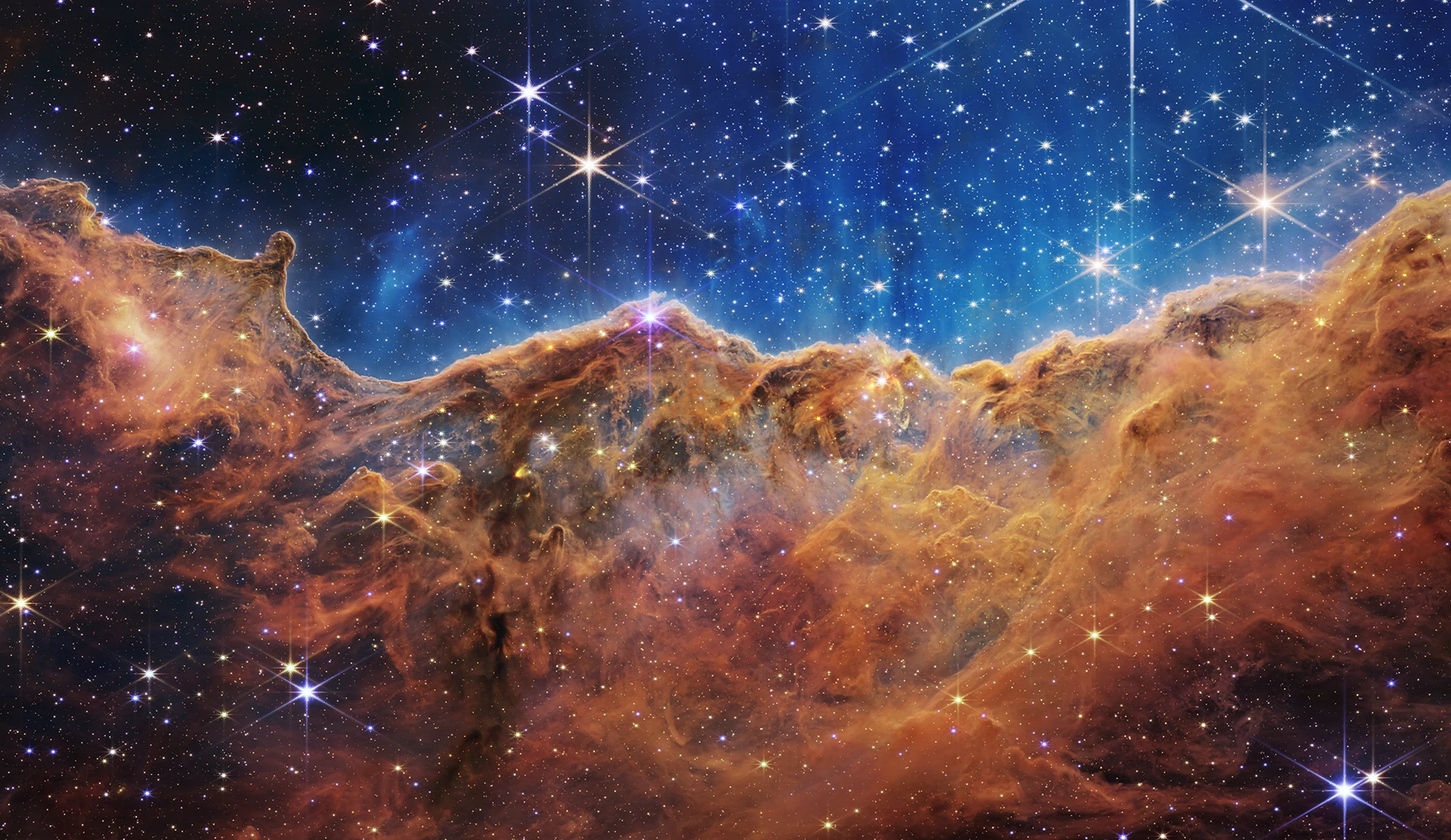
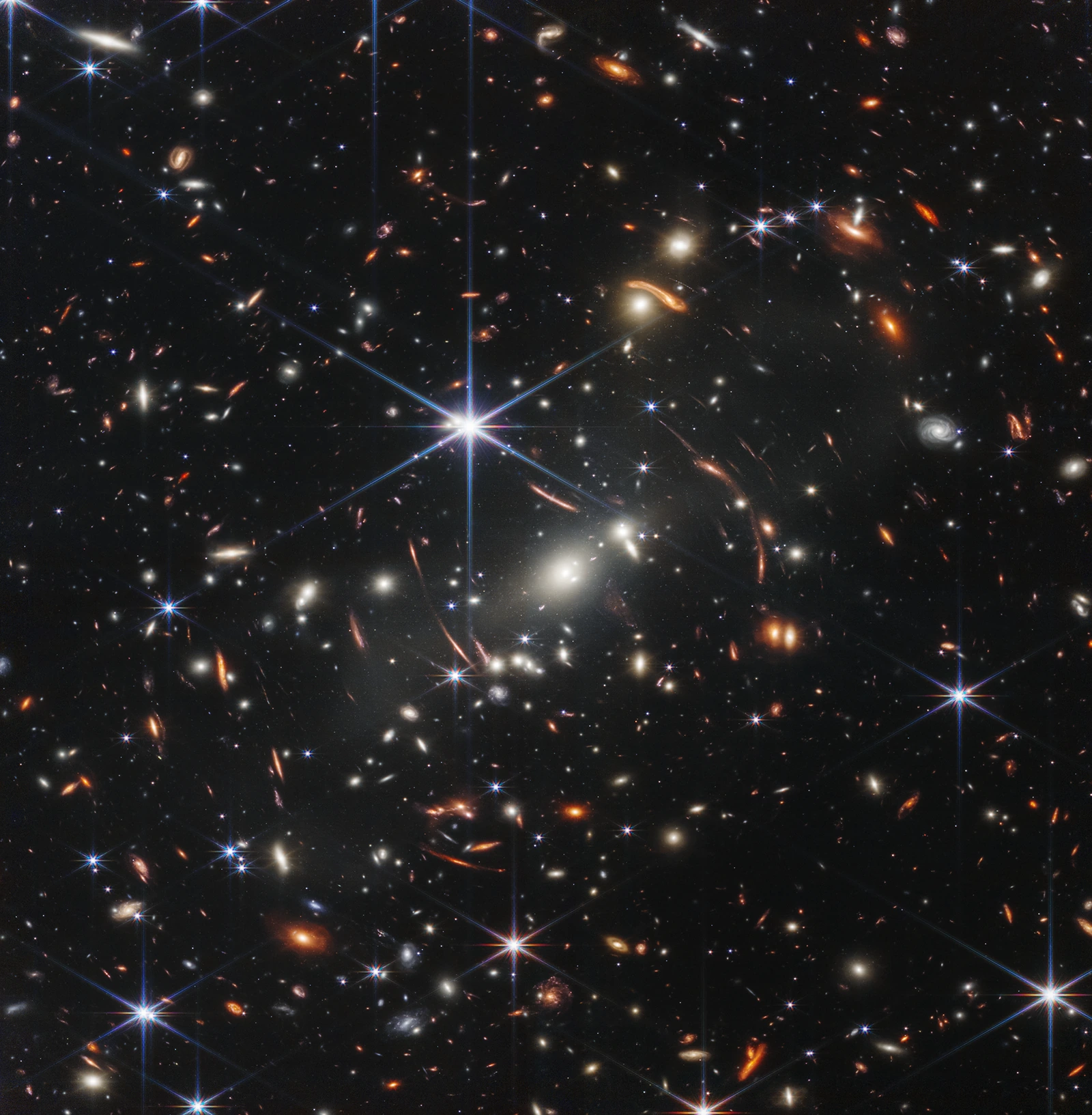
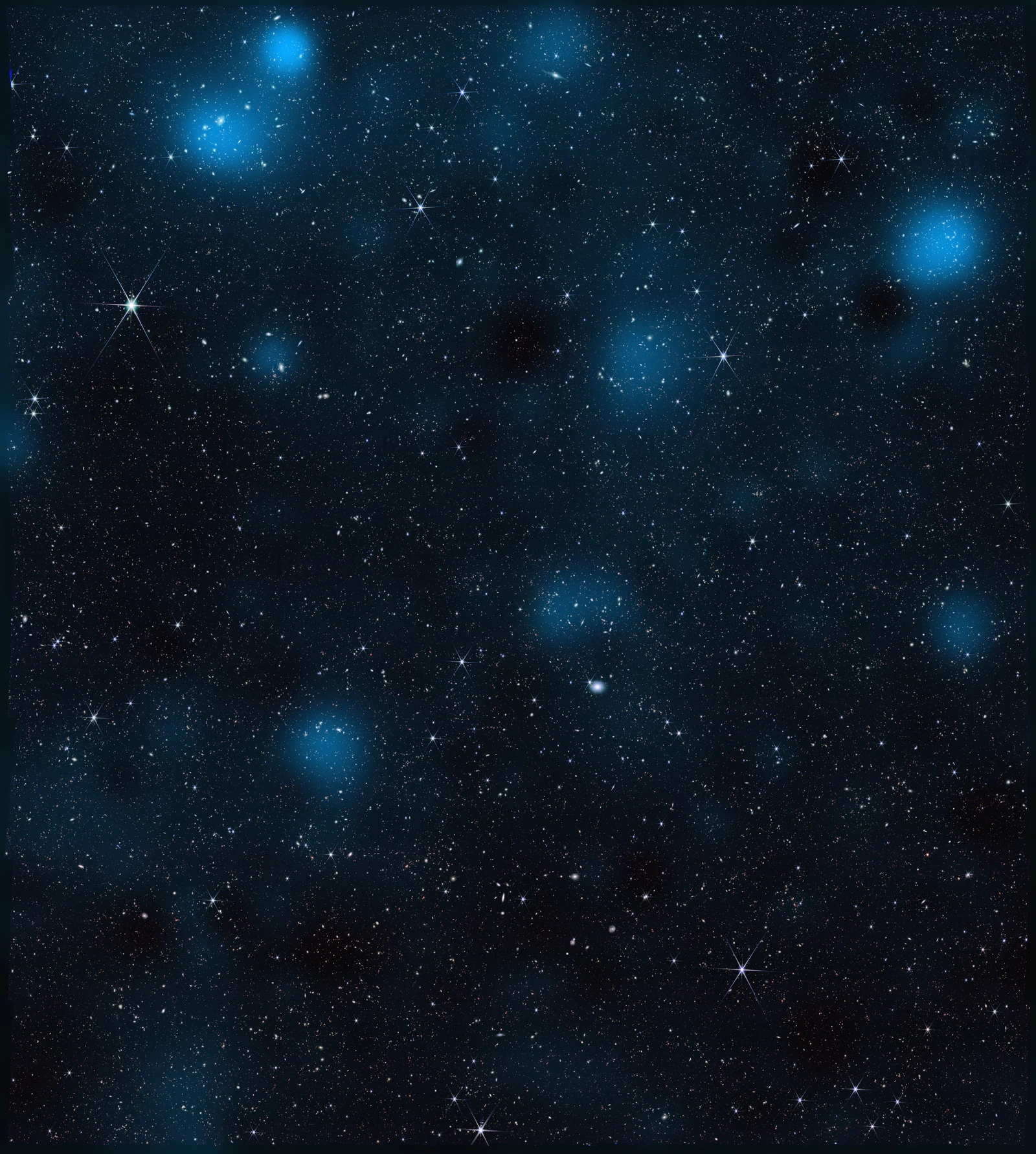
THE BACKGROUND · ACROSS SCALESStars & nebulaeTelescope observation
Follow the page, or choose the universe surrounding you.
Webb’s Cosmic Cliffs show stars and the edge of a stellar nursery. These observations use infrared light mapped to visible colors.